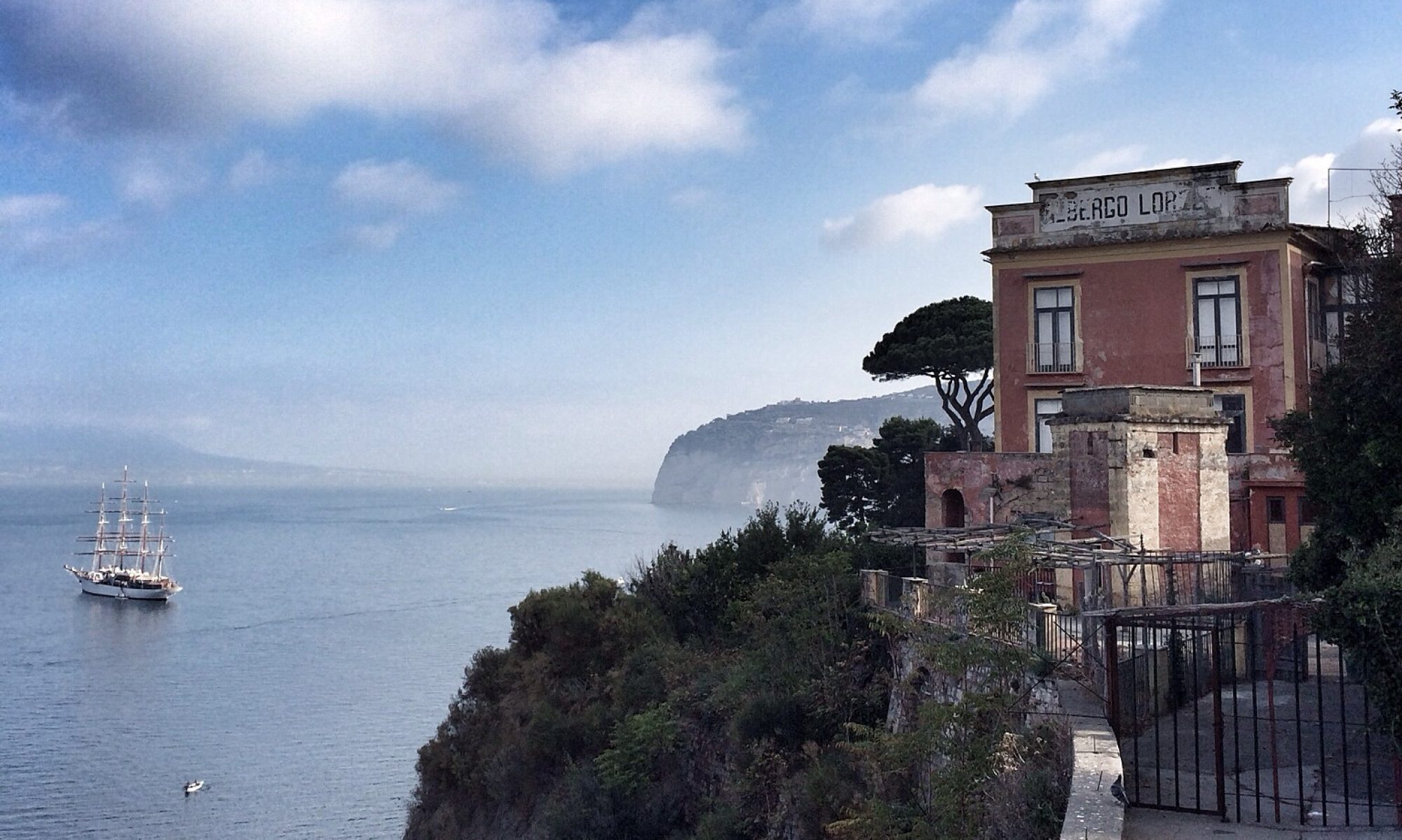
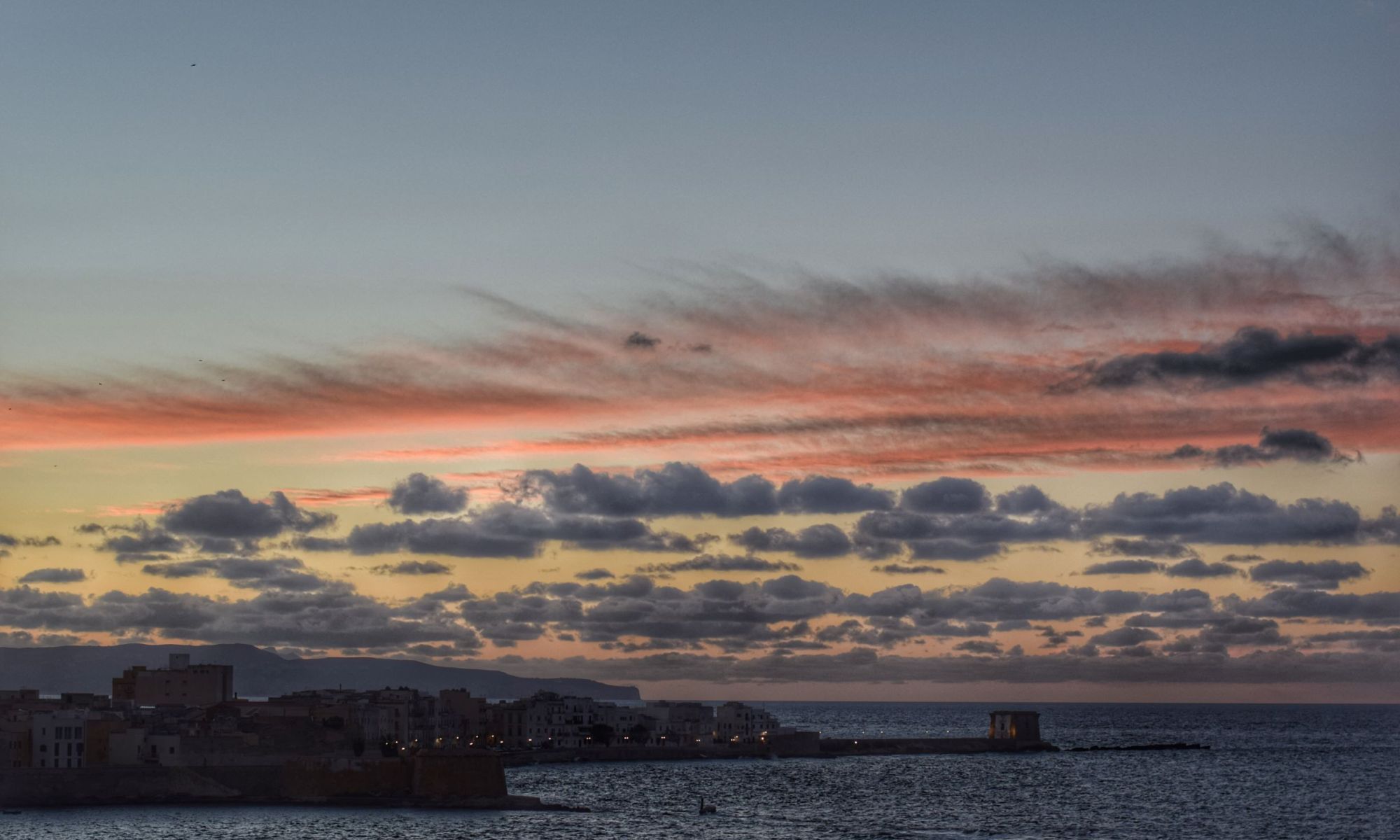
“To have seen Italy without having seen Sicily is not to have seen Italy at all, for Sicily is the clue to everything.” – Wolfgang Von Goethe, German writer and statesman, 1787
Sicily is the largest Mediterranean island and the largest of Italy’s twenty political regions. With a population of about five million people, it’s roughly the same geographic size as the state of Maryland.
Sicilians strike me as a proud people, paradoxically friendly but reserved and private. A stranger, viewed suspiciously at first, becomes part of the family given enough time.
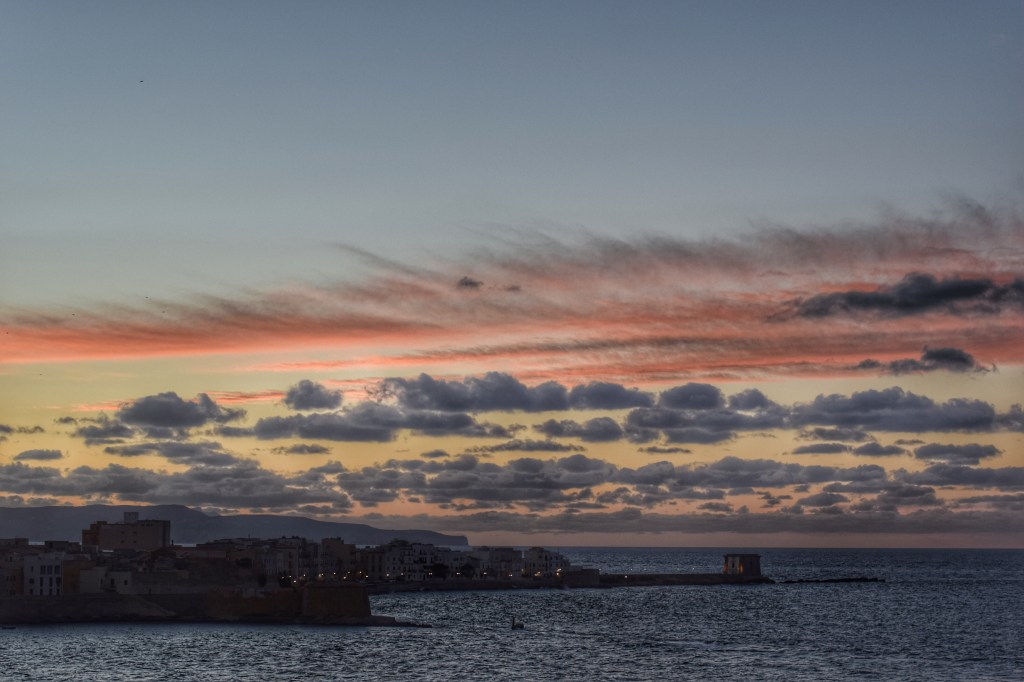
Sicily has a typical Mediterranean climate: hot, dry summers and mild, wet winters—perfect for growing olives and pistachios.
Then there’s the wine, the seafood, the cheese, the cannoli—stop, it’s not even breakfast yet!
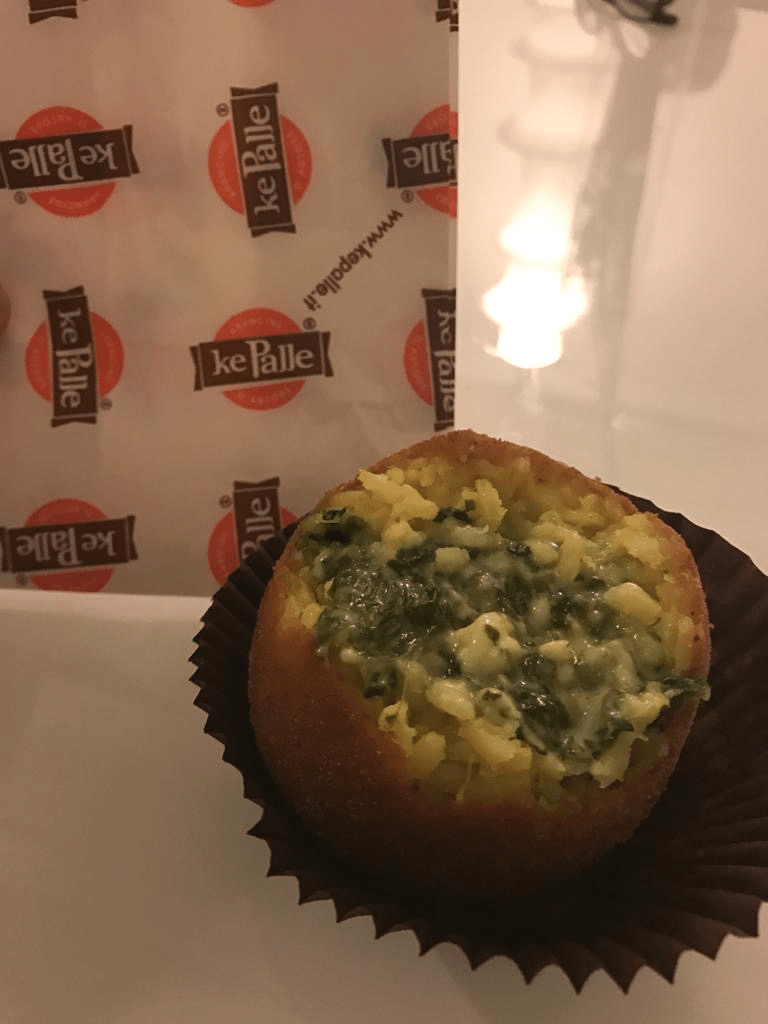
coated with breadcrumbs, then deep-fried to perfection.
In my humble opinion, the food in Italy is great—no argument there—but the food in Sicily is even better.
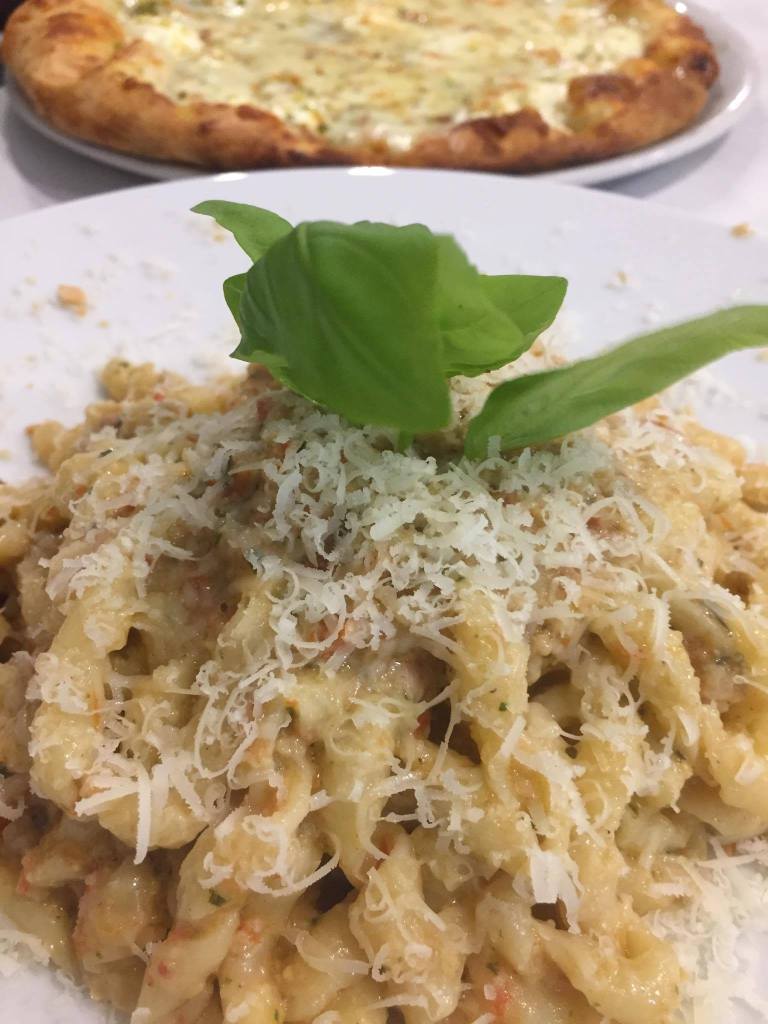
like a telephone cord. Topped with parmesan cheese and basil, it’s delicious. Excellent, there’s pizza too!
When one thinks about the various peoples who settled, inhabited, and yes, sometimes conquered the island, it starts to make sense. The earliest human activity started around 12,000 BC.
Over time, various peoples came to the island: Phoenicians, Greeks, Romans, Carthaginians, Vandals, Ostrogoths, Arabs, Normans, Spaniards, Byzantines, Swabians, Aragonese, and Lombards. And more recently, there were the Brits and Americans. If I’m leaving anyone out, forgive my oversight.
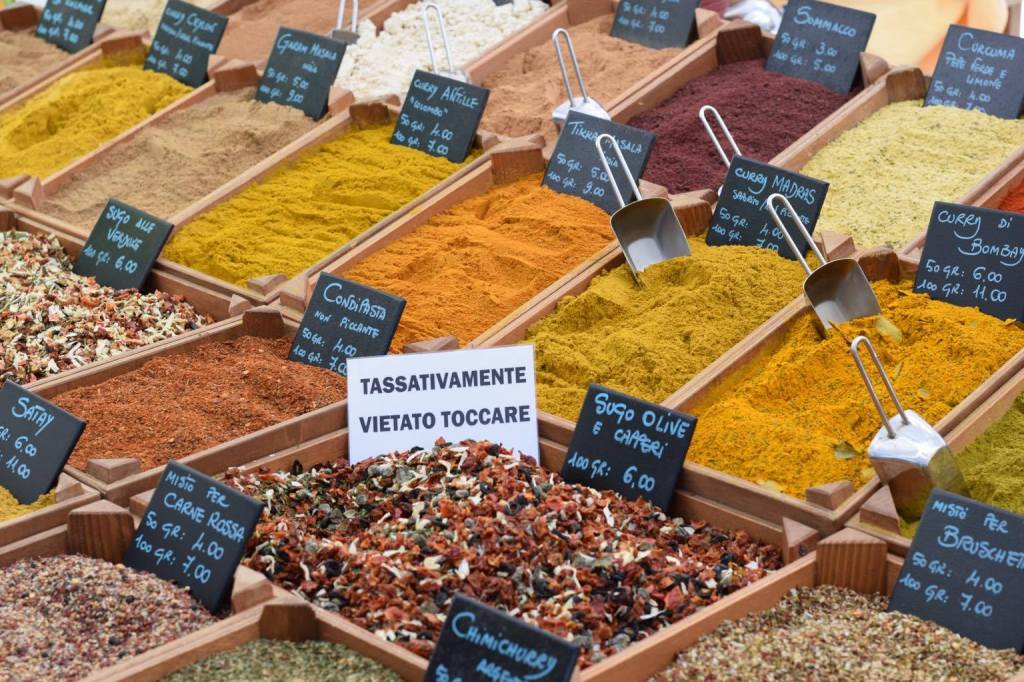
Anyway, it’s not hard to imagine that the island cuisine benefitted from all those contributions—voluntary or otherwise. I can see how a pinch of a spice from here and a cutting from an herb there, combine to overrun the taste buds in a most perfect way.

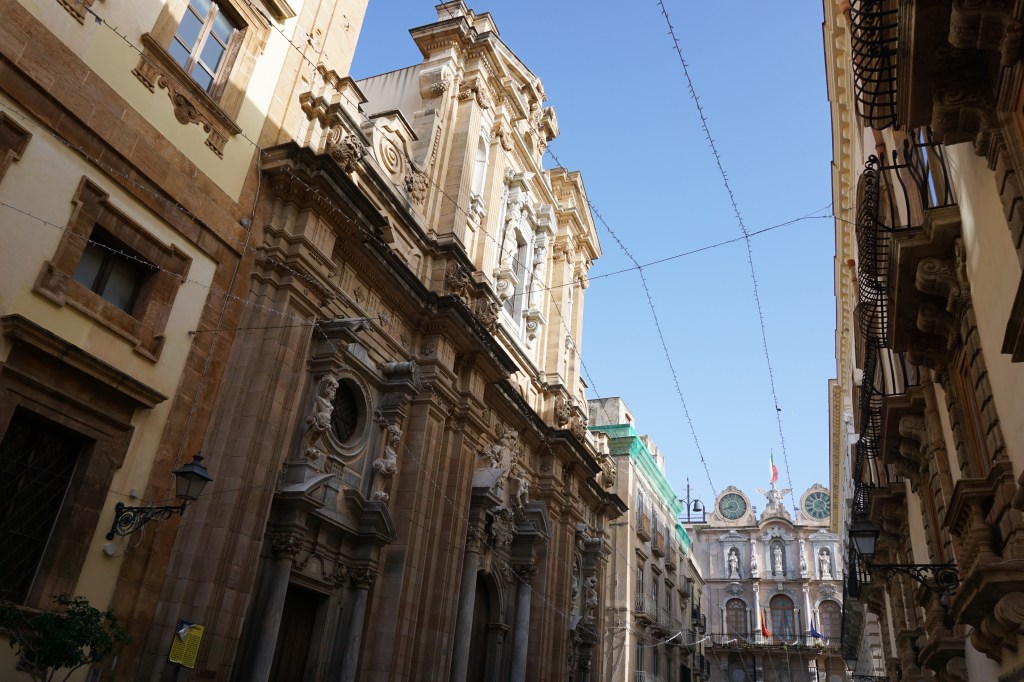
Sicily in some ways is not unlike the U.S. in that it’s a melting pot of different cultures and ethnicities which have all left their profound mark on the arts, music, literature, language, and architecture.
Speaking of language, the people are bilingual, conversing in Italian and Sicilian, a distinct and historical Romance language that evolved from Vulgar Latin between the third and eight centuries. I can make out a word here and there—at least, I tell myself I can, but comprehend the meaning? Uh, nope.
Getting to Sicily, besides the obvious air travel, is a mini-adventure. There is no going on foot, car, bus or train. It’s an island, after all!

Unless…unless you use those feet or other conveyance to board a ferry to make the crossing. I’m quite familiar with the twenty-five-minute ferry ride between Villa San Giovanni, Calabria, and Messina, Sicily, (over the Strait of Messina). Like ants entering a mound, you patiently wait your turn to enter. It seems impossible from way back in the queue that all the vehicles waiting can fit on top or in the belly of the ship—but somehow, you and they do.
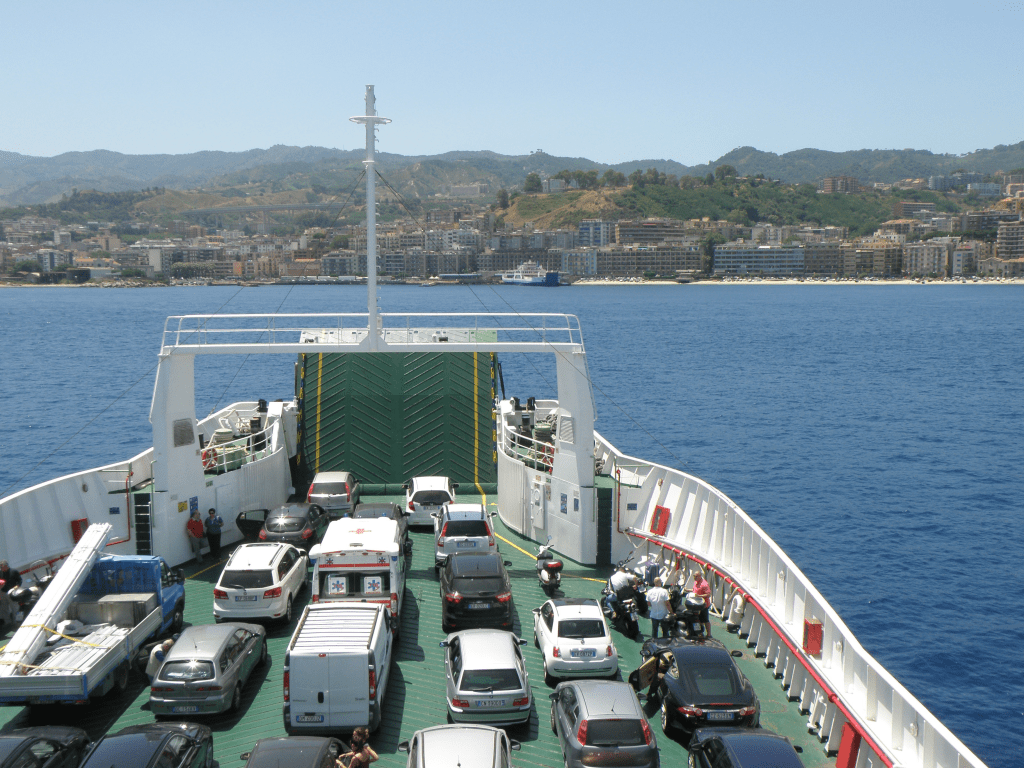
Say, what about building a bridge? Every so often, the idea comes up for discussion. The opposition generally focuses on the environmental impact, the economic sustainability, and the involvement of organized crime in the massive undertaking.


A favorite question of mine to ask Sicilians is wouldn’t a bridge be a good thing to connect Sicily with Italy? The response I hear as much as anything else is why.
I’ve wondered if the reservation doesn’t stem from the idea that a bridge is more than just a physical connection; perhaps it would result in the loss of a deeply ingrained desire to maintain an arms-length independence from Italy—and the world. Then again, who knows?
Sicily will always have a special place in my heart, a land my grandfather left as a small boy. In conclusion, I’m not saying don’t go to Italy. Do. But also visit Sicily. You’ll be glad you did.

 Christopher Amato