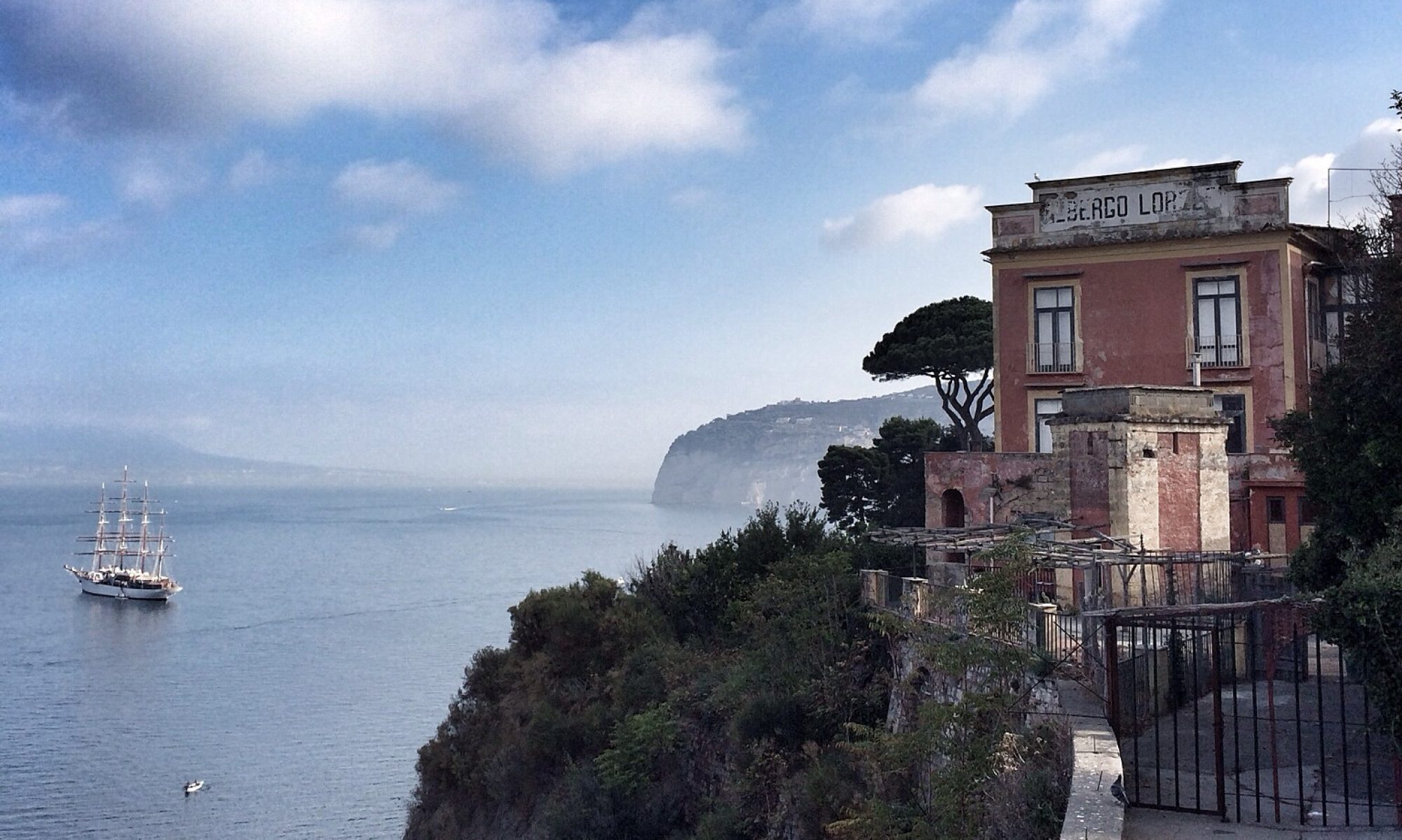

Favignana is one of five islands making up the Aegadian Islands. Its four smaller sister isles are Marettimo, Levanzo, Maraone, and Formica.

While only mentioned briefly in Leaving Marinella, Favignana is surely a place to be visited and experienced. Sitting about eleven miles off the coast, it is easily accessible by multiple ferries that run to and from Trapani all day. The ride takes about thirty minutes and is a fun little adventure.
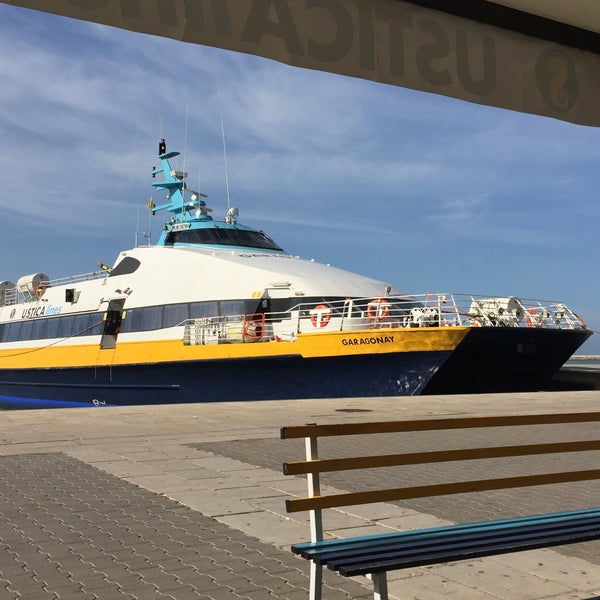
I always make sure to pop a piece of anti-nausea gum in my mouth or have my neato gee-whiz bracelet on just in case the waters are rough.

Favignana was famous for its tuna fisheries. Once upon a time, it was one of the world’s largest food processing plants in the world geared toward the canning of tuna. Today, that same industrial complex is a museum.
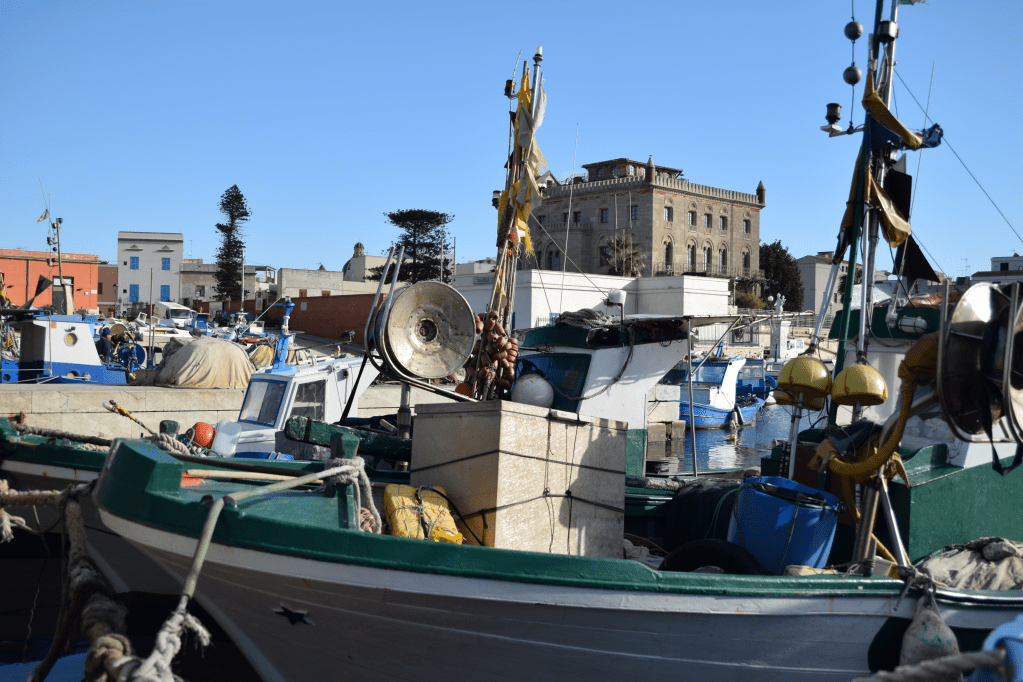
The island caters to tourists, although we’ve never seen many.
Once you step off the ferry, you can forget the car! If you can ride a bike, there are several vendors as soon as you disembark. The roads and paths are flat and easy to ride on. Don’t worry, though, if you need the help, there are electric bikes available.

Do you remember when you were a kid and could have fun riding bikes aimlessly for hours with your friends? Now you can again! Get a bike and return to your childhood for a day. It’s a real treat.
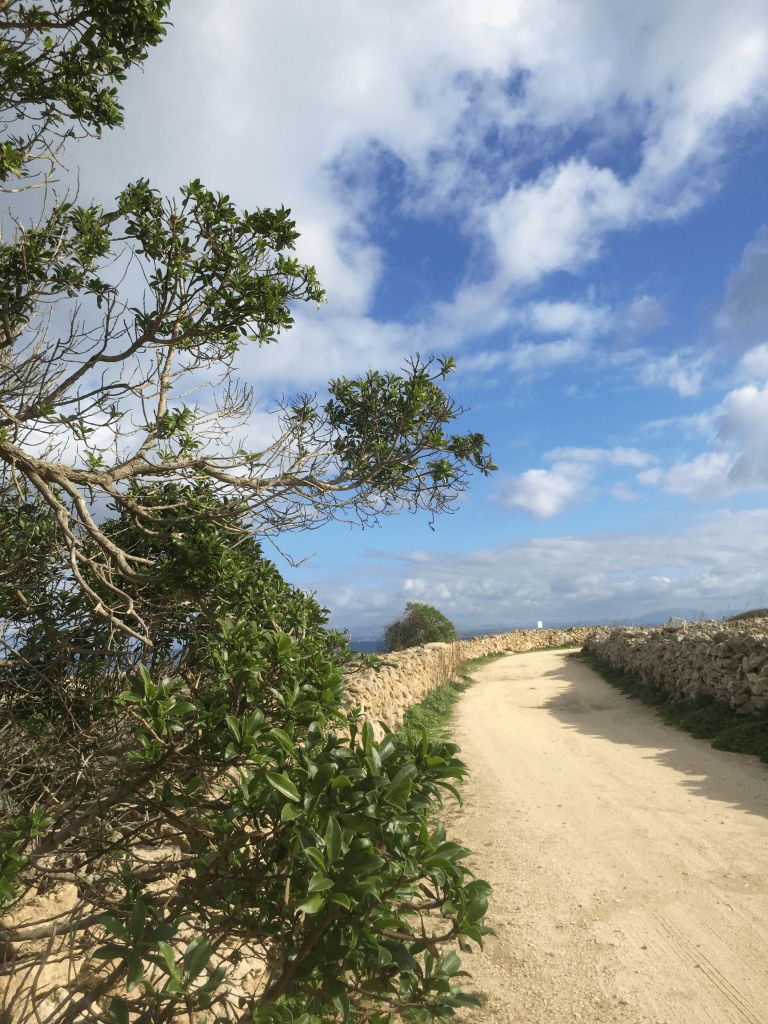
As you follow well-worn paths and roads, you’ll come across Cala Rossa (Red Cove), famous for the final naval battle between the fleets of Rome and Carthage on March 10 in the year 241 B.C. As the story goes, it was called Cala Rossa because so many dead washed ashore, the area became red from the bloodshed. Not to worry, like much of the Tyrrhenian Sea, the water today is a bluish-green color, and popular with scuba divers and snorkelers.
FYI — the Roman fleet was victorious resulting in Carthage surrendering Sicily to Rome.

Keep on pedaling and you’ll see some lovely homes on the water.
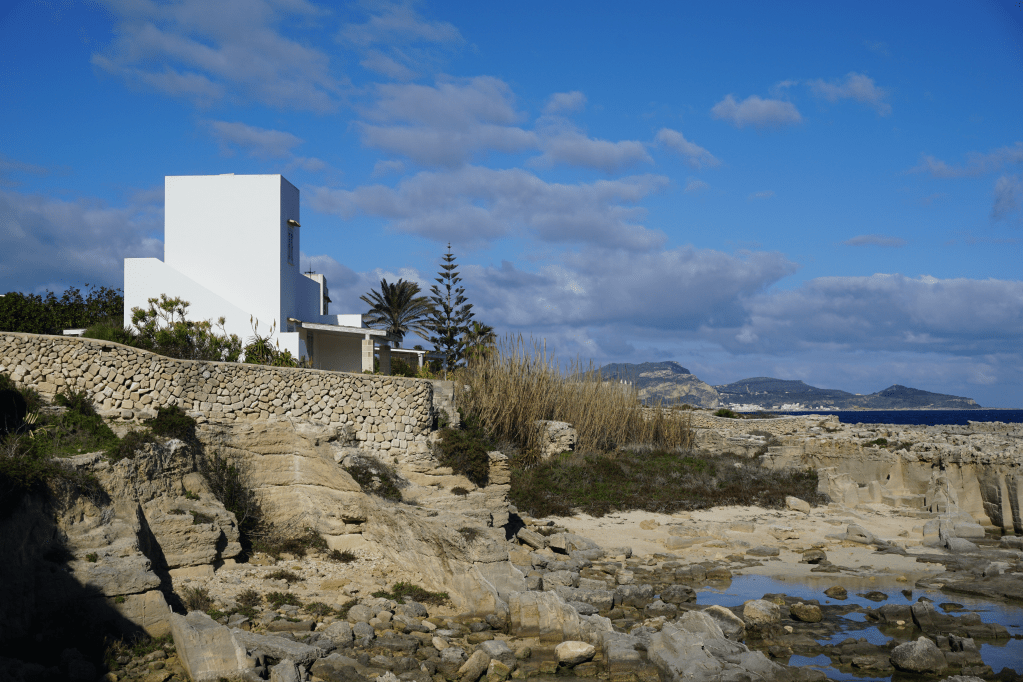
We also stopped a couple of times at the island cemetery to see if we recognized any names. It’s beautifully maintained, but Joanna only took a picture looking away from the cemetery toward the sea.


This particular spot isn’t a tourist site at all but still one of our favorite places. We dubbed it “Kitty City.”

Within seconds of our arrival, one by one the cats exited from hidey-holes in the stone wall and through dense shrubbery.

There are dozens of cats in various shapes, sizes, and colors. We saw random containers with cat food, so they must live there and depend in part on humans to survive. In a way, it was an incredible scene but sad as well. With no veterinary care and no check on reproduction, I assumed these forty were the ultimate survivors. Each visit, we’d stop at the grocery to pick up some food. We discussed moving to Favignana to capture all the cats and have them spayed and neutered. We wanted to take care of them with the hope for a fairy tale ending, e tutti vissero felici e contenti (and everyone lived happily ever after).
Speaking of really cool cats, we found this great young couple hanging out on Favignana.

 Christopher Amato
I love this!! Would love to visit one day, looks magical. 🙂
LikeLike